Our Climate Commitment
Climate CommitmentAI is seamless, but it's not weightless
At Zartis, we build advanced AI and technology solutions, but always with one grounding question:
What is the point of shaping the future if we cannot sustain the future we’re building for?
Innovation must live in harmony with the planet that makes innovation possible.
The climate crisis is reshaping how we think about responsibility in tech. AI, cloud platforms, and digital infrastructure give us extraordinary power, but they also come with a meaningful environmental footprint.
AI is not “weightless.”
Training and running large-scale models consumes massive computational resources, demanding energy-intensive data centres and server farms. Left unchecked, the growth of AI can accelerate climate impact. Used wisely, it can help solve it.
This is where our mission becomes clear:
Technology must reduce harm while amplifying good.

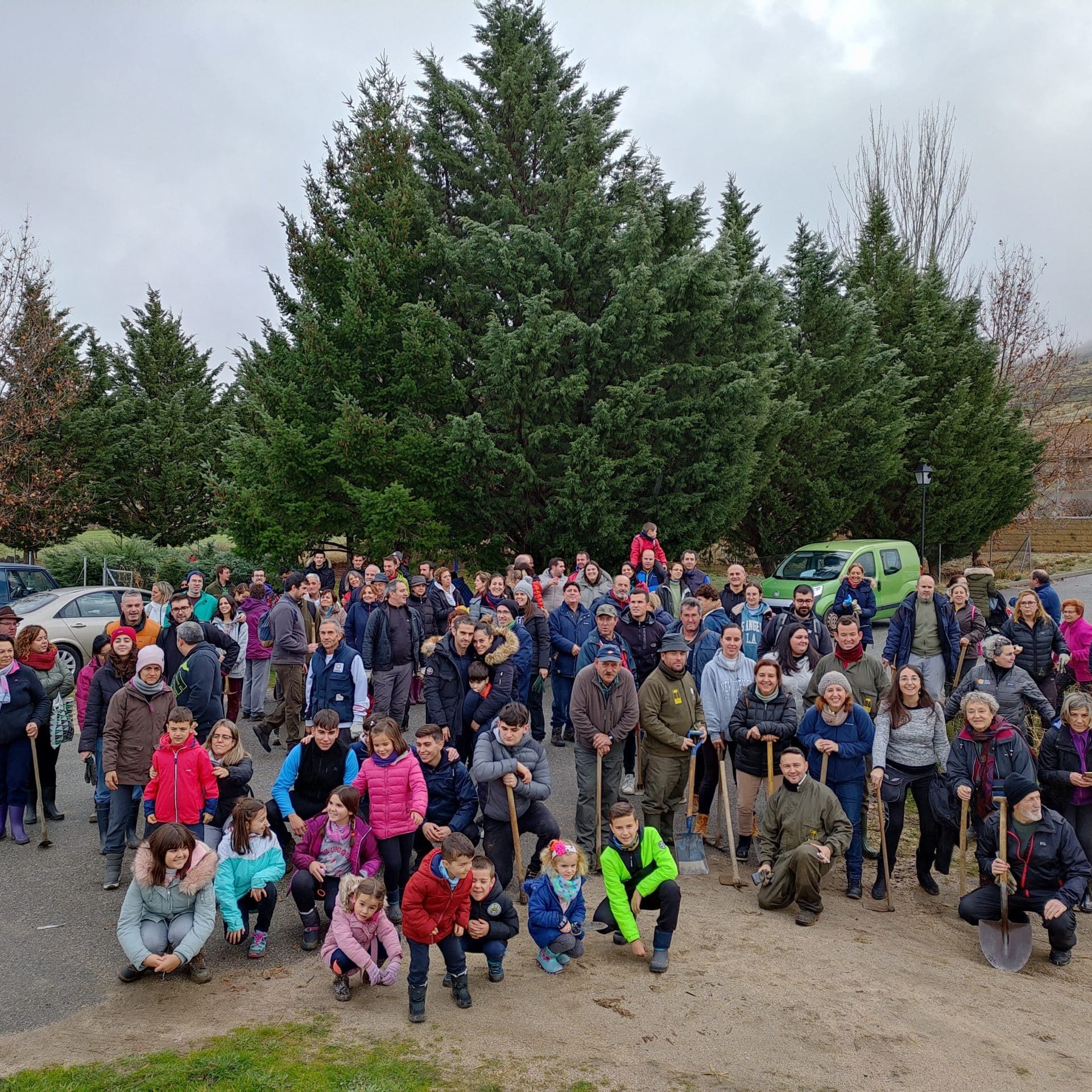
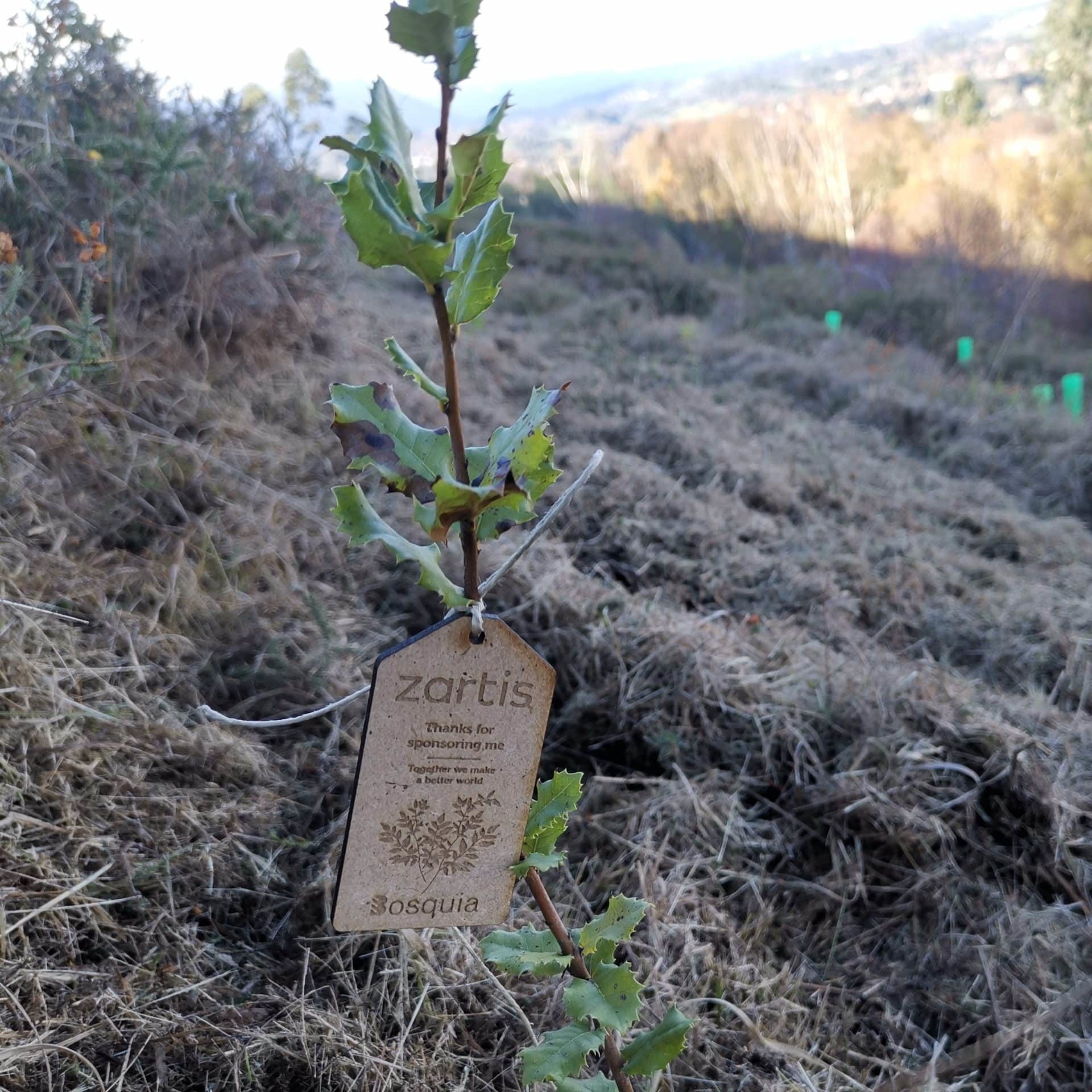
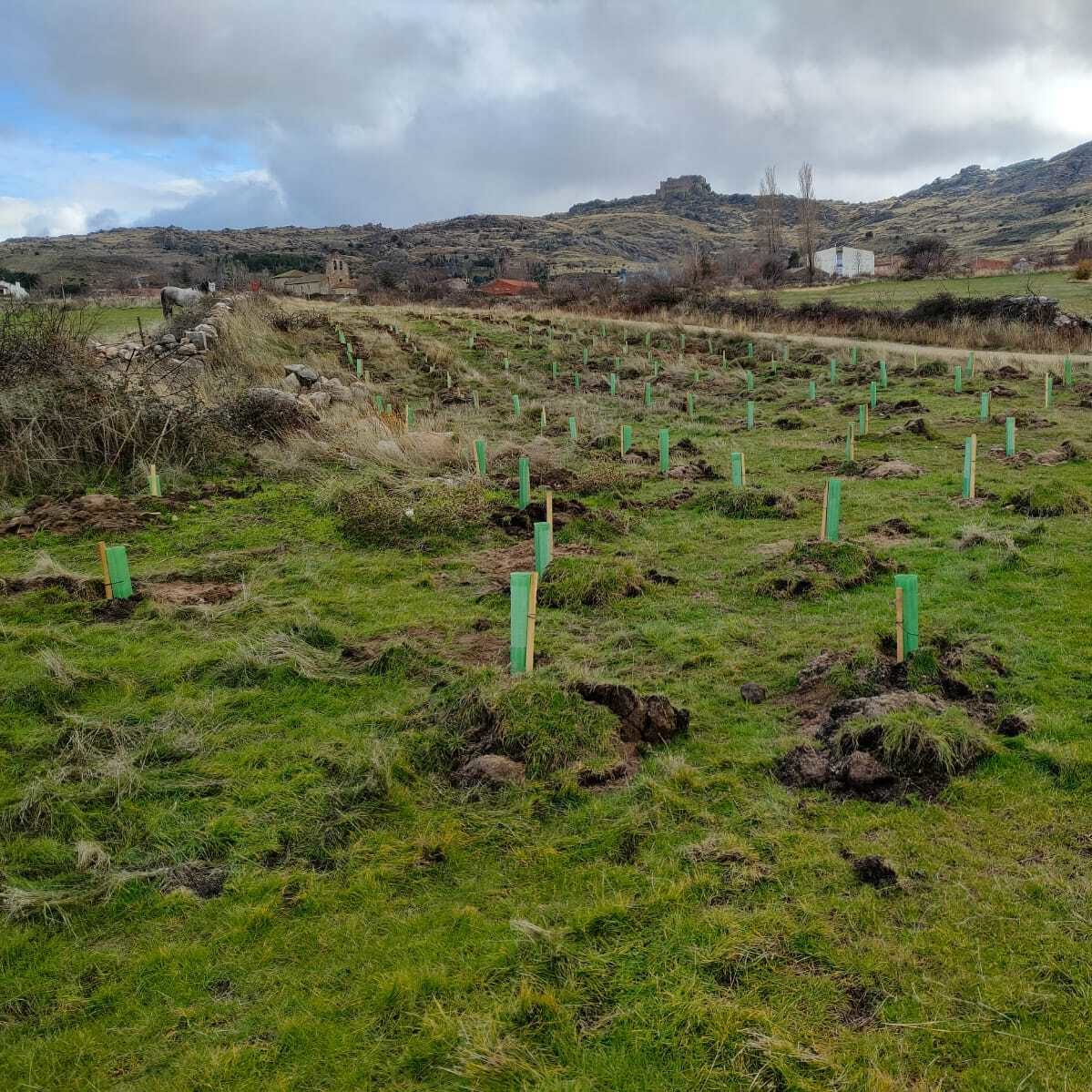
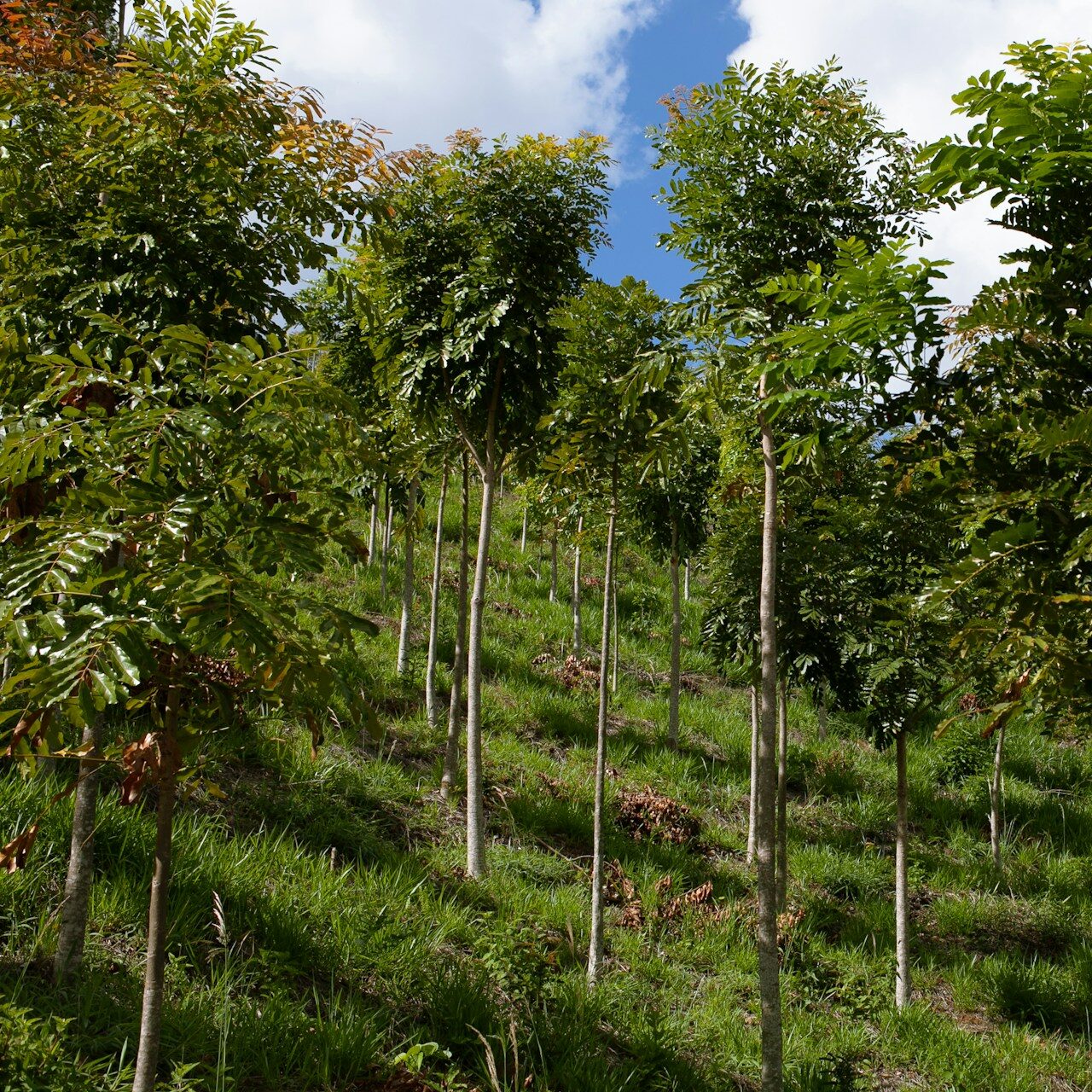
As part of our long-term sustainability efforts, we are working towards becoming carbon neutral by actively offsetting the emissions we cannot yet eliminate. We support certified forestry initiatives that focus on reforestation, habitat restoration and long-term woodland management. These programmes don’t replace the need to reduce our own footprint: they complement it.
Offsetting is a responsibility, not a loophole, and we view these forestry projects as a way to give back to the ecosystems our industry inevitably impacts.
Cue, Spain
Ávila, Spain


Efficiency as a form of sustainability
Sustainable AI isn’t a limitation, it’s a competitive advantage and we treat it as such.
At Zartis, we believe responsible AI starts long before deployment. It begins with the choices we make at the design stage. We prioritise selecting the right model rather than defaulting to the largest one, and we favour intelligent model combinations over brute-force approaches. Our engineering decisions focus on building architectures that perform efficiently while reducing their energy demands.
Mastering AI isn’t just about achieving high accuracy; it’s about doing so efficiently. Our teams work with models that deliver meaningful value without imposing excessive computational or environmental cost.
Instead of retraining systems from scratch, we fine-tune where possible and rely on smaller or domain-specific models when they meet the task.
We combine symbolic AI, classical machine learning and LLMs in ways that avoid wasted compute. Retrieval, compression and caching techniques form part of our toolkit to further reduce resource use, and we always prioritise fast, effective inference over oversized models that add little practical benefit.

AI that respects the planet
We design solutions with awareness of compute cost, carbon impact, and long-term sustainability.

Technology for climate action
We work with clients on projects ranging from carbon measurement to renewable energy optimisation.

Systems built for longevity
Sustainable data architectures, maintainable codebases, and efficient infrastructure ensure that the systems we build stay responsible over time.
What we stand to lose
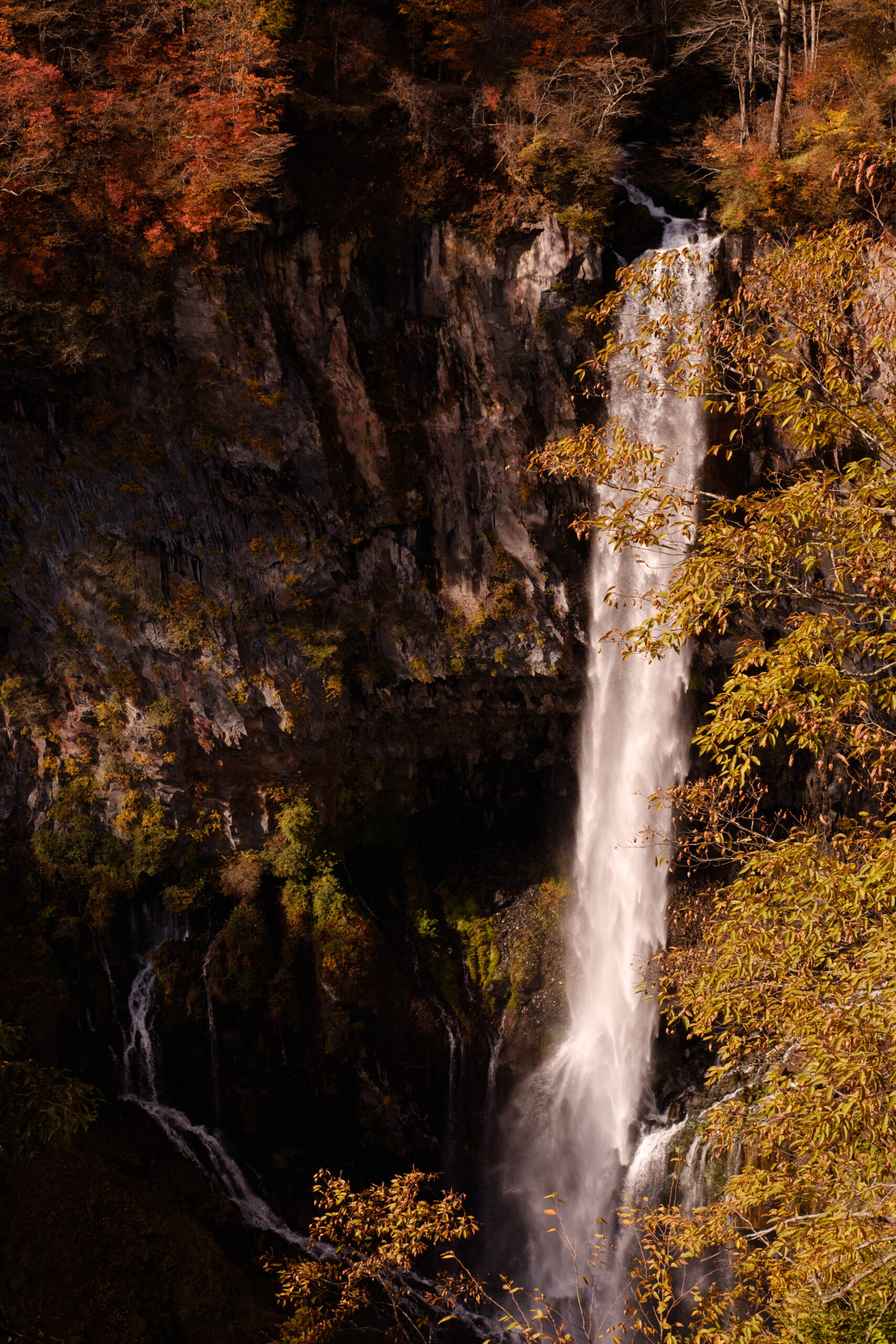
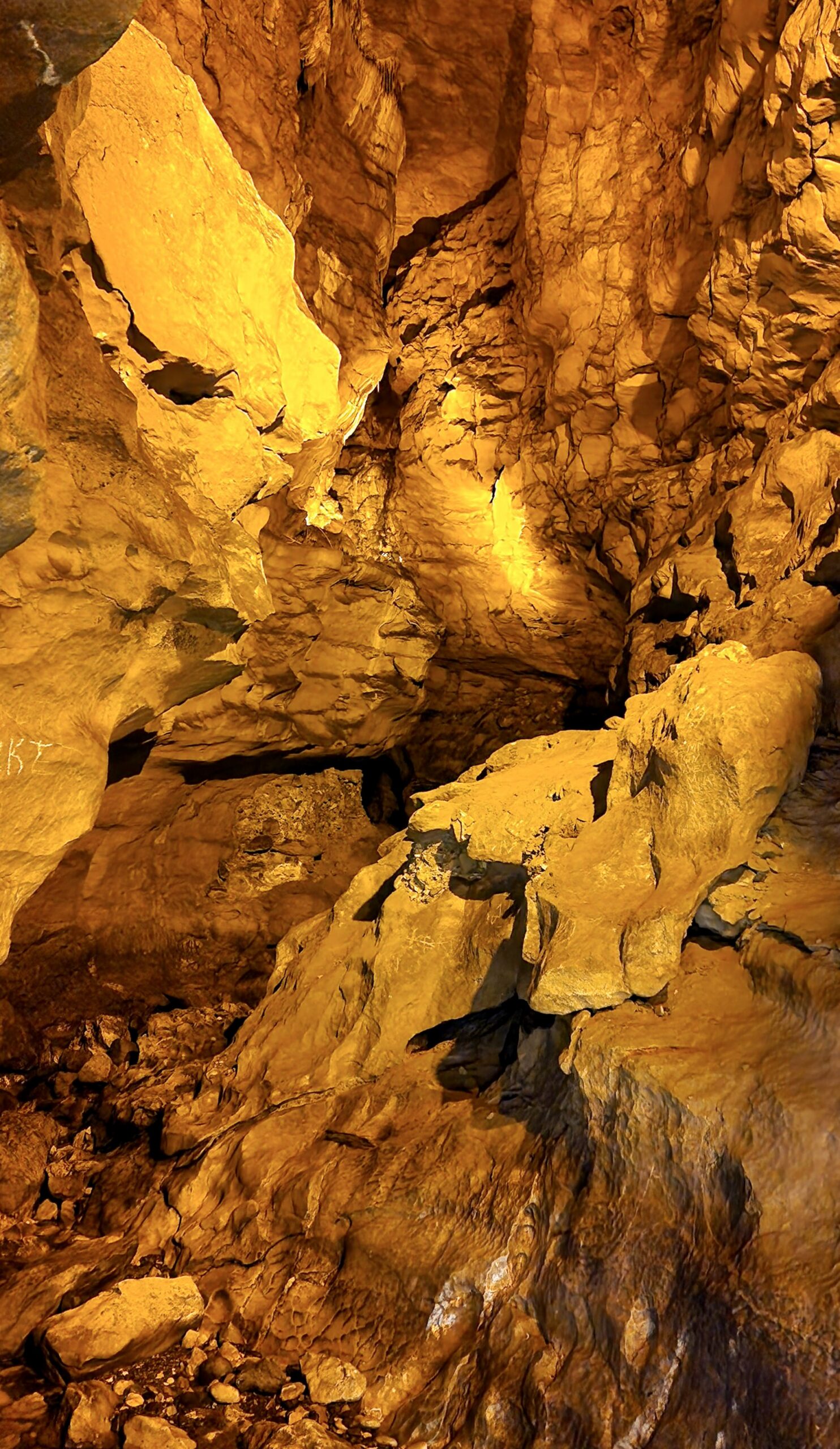
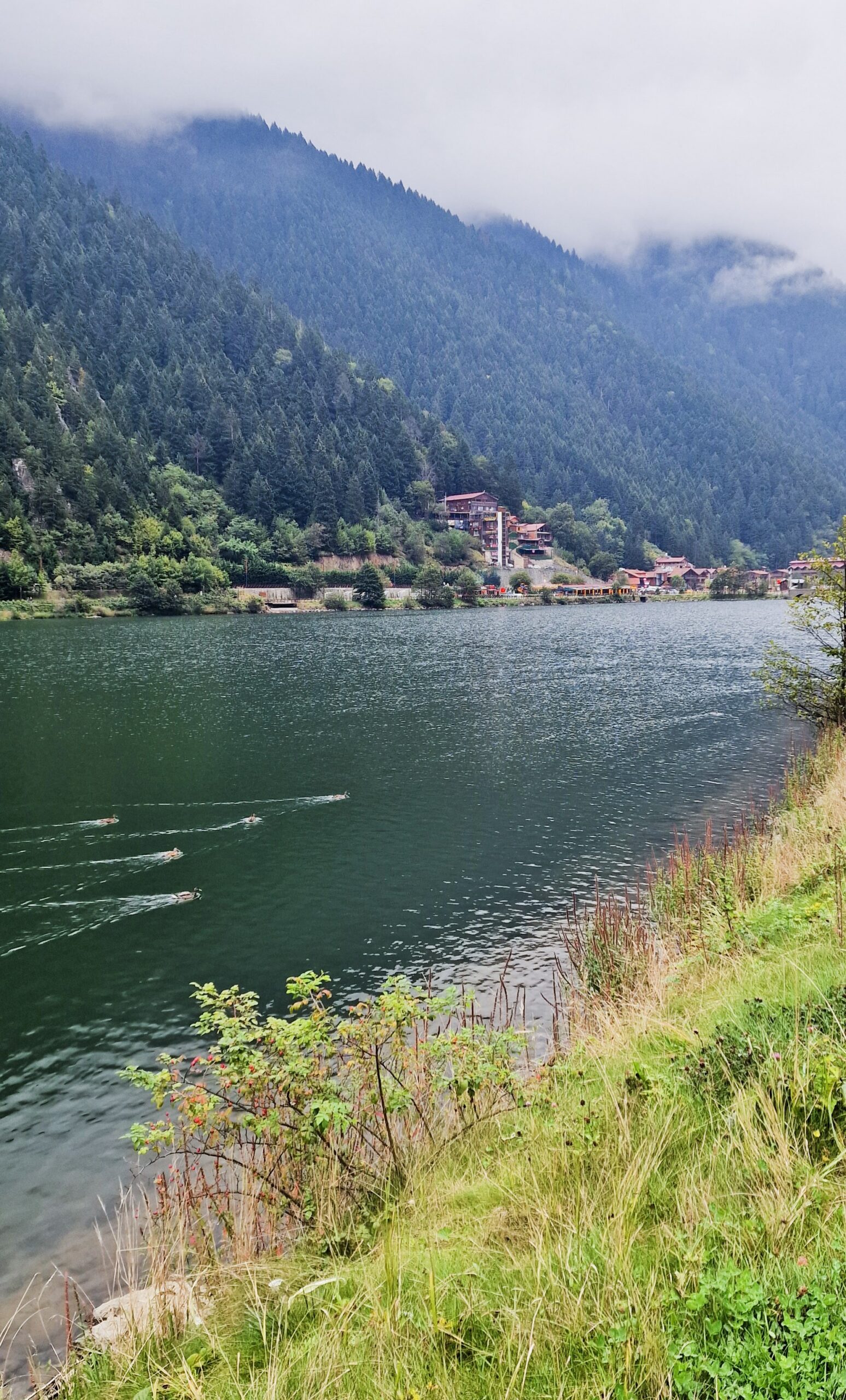
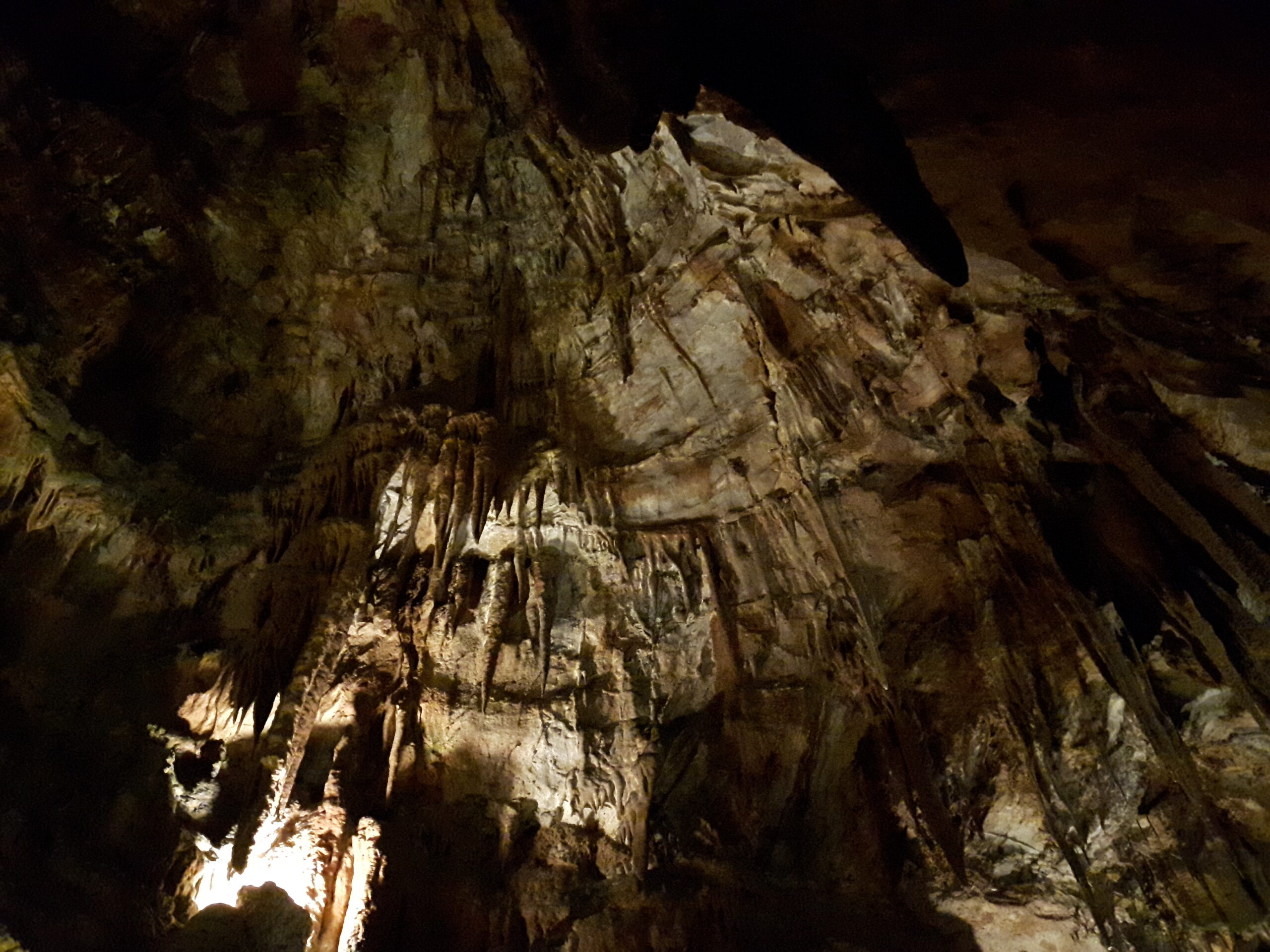
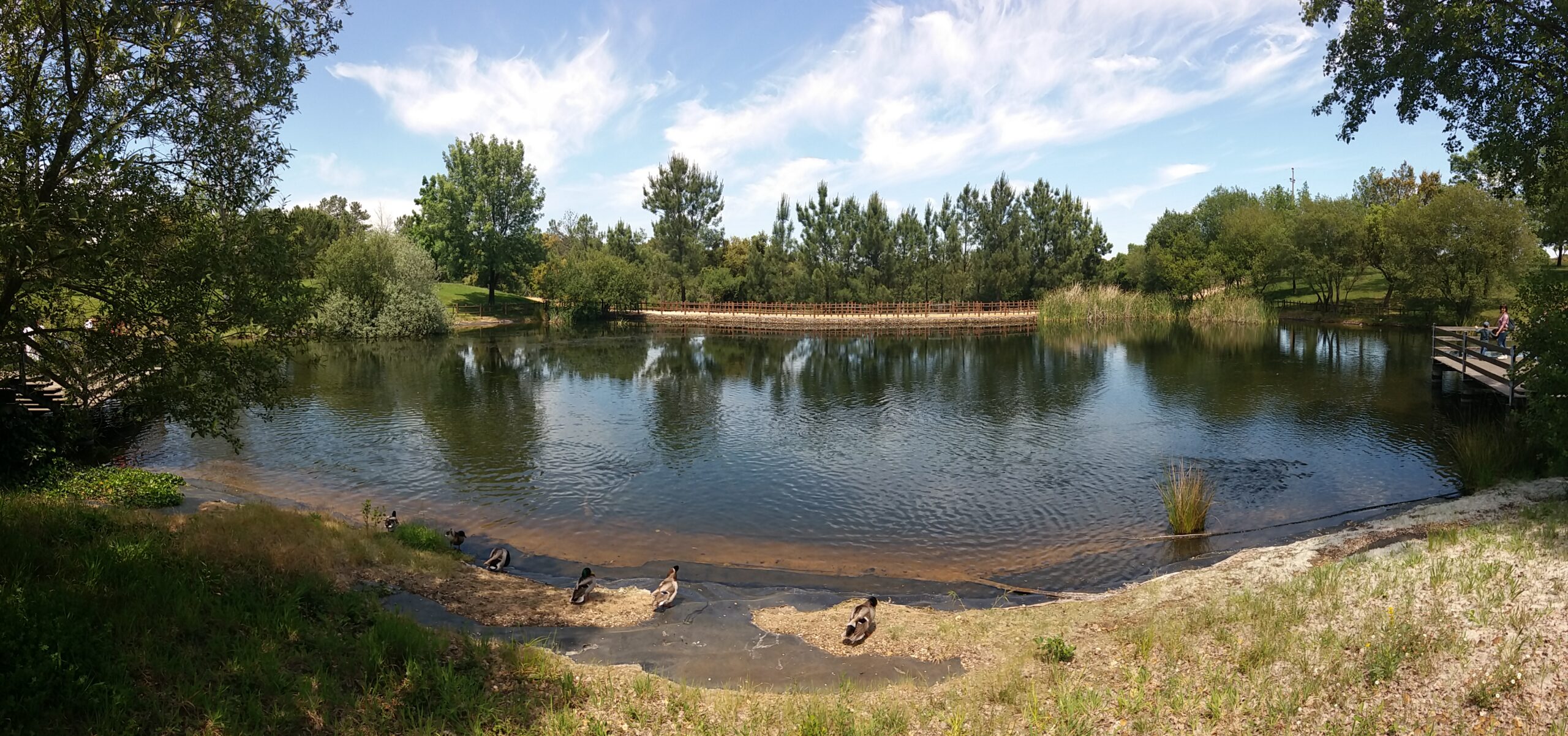
Technology is our craft, but nature is our context. We are proud to showcase this collection of photos taken by Zartis team members: the ecosystems, biodiversity, and landscapes we cannot afford to lose.