Surface strengths, fix risks, and present a credible technical foundation to maximise valuation
In competitive transactions, buyers move fast — and they look for daylight. Technical liabilities, unclear documentation, legacy systems, or process gaps can all slow a deal or reduce enterprise value.
Our Deal Readiness service gives sellers the clarity and structure needed to enter a transaction with confidence. We analyse your technical landscape, highlight value-adds, identify liabilities, and provide recommendations that strengthen your position before buyers begin their own due diligence. This enables cleaner conversations, fewer surprises, and an overall stronger negotiation stance.
Our Deal Readiness services
We help sellers surface strengths, fix risks, and present a clear, credible technical foundation that maximises valuation and smooths deal execution.
Technical landscape assessment
A deep review of your architecture, stack, integrations, engineering practices, security posture, data setup, and operational processes — identifying both strengths and areas that may raise concerns for buyers.
Value-add identification
Highlighting architectural advantages, scalability features, engineering maturity, innovation potential, and strengths within your product and processes that increase attractiveness to buyers.
Liability reduction plan
Identifying outdated tech, fragile components, security risks, gaps in documentation, or operational inefficiencies — and outlining a clear, realistic path to mitigate them pre-deal.

Team & process review
Assessing engineering capabilities, SDLC maturity, development processes, QA culture, DevOps practices, communication patterns, and knowledge-sharing to showcase organisational robustness.

Security, compliance & risk review
Evaluating cybersecurity posture, secrets management, access controls, encryption standards, regulatory compliance (GDPR, HIPAA, PCI, etc.) and IP/licensing risks.
Data, product & strategy alignment
Reviewing data quality, governance, roadmap alignment, product direction, market fit, and innovation readiness through the lens of likely buyer concerns.

Deal Readiness capabilities
We help you enter the acquisition process fully prepared by identifying what you need to optimise across all areas of software development and SDLC.
Architecture & technology stack
We assess your technology stack for scalability, performance, and long-term viability. This includes evaluating integration architecture, identifying outdated or unsupported technologies, and reviewing multitenancy designs to ensure the platform can support future growth and acquisitions.
Engineering & SDLC
We review engineering practices, team capabilities, and development methodologies to uncover risks and inefficiencies. Our assessment covers code quality, branching strategies, documentation standards, and open-source usage to ensure your engineering organisation is reliable, modern, and ready to scale.
Security & compliance
We examine your security posture across secrets management, access control, encryption, and key management. This includes evaluating compliance with regulatory frameworks such as ISO, GDPR, and CCPA to ensure your environment meets the expectations of acquirers and avoids hidden liabilities.
Infrastructure & DevOps
We evaluate DevOps maturity, automation levels, CI/CD pipelines, and hosting strategies to ensure efficient, cost-effective operations. This includes assessing monitoring, disaster recovery, and operational resilience to determine how reliably the platform can support scaling demands.
Data & quality
We analyse how data flows through your systems, how it is stored, and how well it is governed. This includes data quality practices, analytics readiness, and testing frameworks to ensure your organisation can produce reliable insights and support future AI or analytics initiatives.
Product & strategy
We assess your product roadmap, market fit, and strategic positioning to understand growth potential and alignment with buyer expectations. This includes reviewing integration capabilities, innovation readiness, and continuity planning to determine whether the product can evolve and scale post-acquisition.
Are you preparing for Technical Due Diligence ?
Get a clear, independent assessment of the technology you’re planning to sell — from architecture and engineering quality to security, data, and scalability risks. Our experts help you uncover liabilities and validate value before you commit.
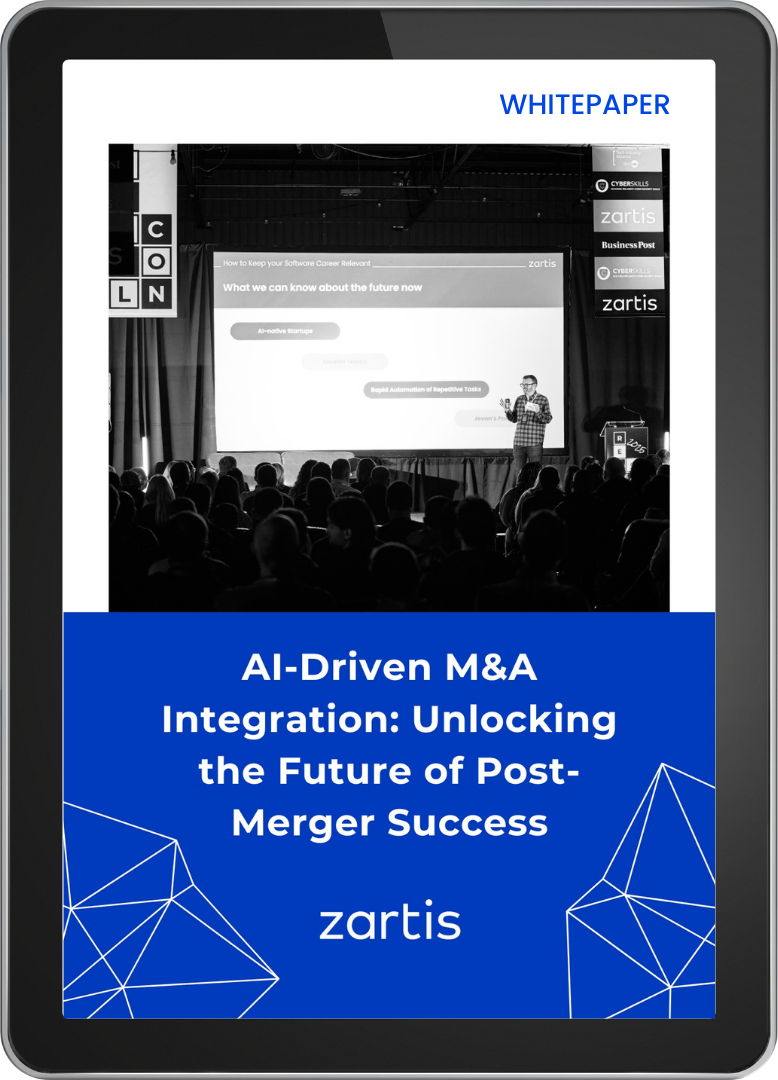
Whitepaper
AI-driven M&A integration: Unlocking post-merger success
Explore the best practices for successful post-merger integration drawing from discussions with tech leaders, and our insights on providing tech solutions in this sector.
Our process
A typical collaboration takes 5 to 6 weeks from initiation to final presentation
Engagement initiation
Kick-off, scope definition, and access setup. We align on goals, timelines, and areas of focus.
Comprehensive technical assessment
Interviews, documentation review, and deep-dive analysis across architecture, engineering, security, DevOps, data, product, and SDLC.
Enhancement planning
Gap analysis, prioritised recommendations, and a roadmap to strengthen your technical posture pre-deal.
Final review & presentation
Validation of improvements and delivery of a structured, buyer-ready report that positions your company clearly and transparently.
Mergers and acquisitions insights
Discover what makes a strong technical due diligence report. Learn key insights, risks, and best practices to guide strategic investment decisions confidently.
Discover how Technical Due Diligence mitigates risk, unlocks hidden value, and drives smarter M&A decisions.
Expert-led technical due diligence reveals critical issues, identifies growth opportunities, and ensures future-proof technology investments.
Discover why IT due diligence is crucial in software evaluation. Learn how thorough IT due diligence ensures optimal performance and mitigates risks for decision-making.
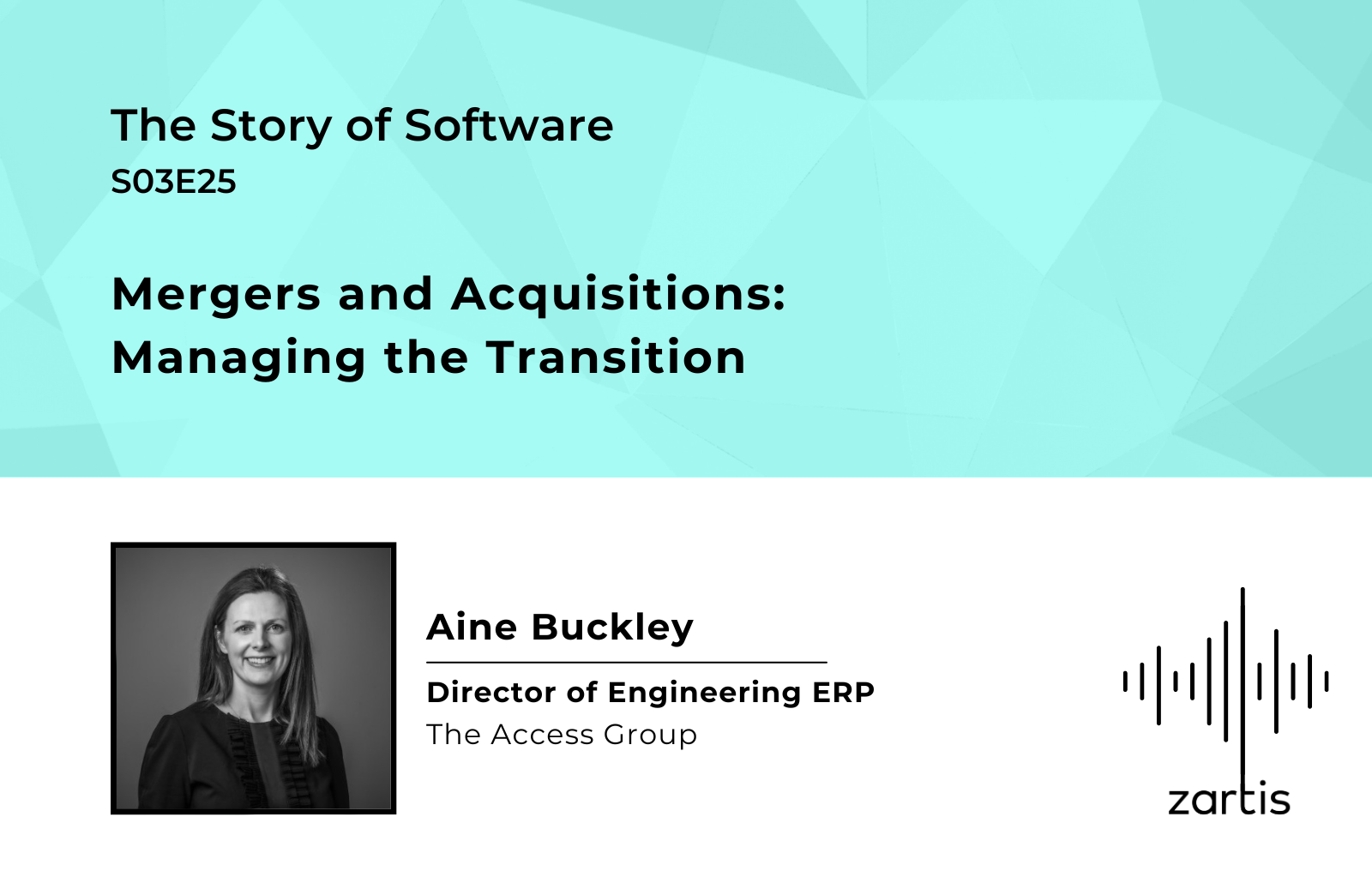
Aine Buckley, Director of Engineering ERP at The Access Group talks about Mergers & Acquisitions, having been part of an acquired business and now being on the acquiring side.
Learn when and how to perform a technical due diligence effectively for maximum impact. Unmissable for tech investors and entrepreneurs.

FAQs: Deal readiness
When should we start Deal Readiness preparation?
The ideal window is 2–6 months before you begin buyer conversations or before you share any materials with potential acquirers or investors.
Deal preparation takes time because most issues worth fixing — outdated components, weak documentation, unclear architecture, fragile pipelines, process inconsistencies, or missing security controls — are not things you want to patch under pressure. Starting early gives you:
enough time to address meaningful technical gaps,
an opportunity to strengthen your value narrative,
the ability to enter due diligence without last-minute scrambling, and
a much smoother negotiation process because nothing comes as a surprise.
Teams that leave this too late often end up reacting instead of positioning themselves strategically. Early preparation reduces friction, builds credibility, and increases valuation potential.
How is Deal Readiness different from Technical Due Diligence?
Deal Readiness is a seller-side preparation phase. It’s about making sure you understand your technical landscape before a buyer reviews it.
Technical Due Diligence is a buyer-driven assessment, focused on evaluating the target objectively.
Here’s the simplest way to think about the difference:
Deal Readiness = “Let’s understand and improve our house before guests arrive.”
Technical Due Diligence = “Let’s inspect the house we’re thinking of buying.”
Deal Readiness identifies issues early, helps you fix or reframe them, and strengthens your technical story. During TDD, buyers dig deep into architecture, engineering health, security, team competence, data, product alignment, and operational risks.
If Deal Readiness is done properly, the TDD phase becomes far more predictable and less risky.
Does Deal Readiness include remediation?
Deal Readiness includes:
identifying weaknesses and liabilities,
recommending improvements,
prioritising what matters most for the transaction, and
providing a practical roadmap to address each issue.
Whether Zartis carries out the remediation work depends on your preference and timeline.
Some sellers want hands-on help modernising components, documenting systems, tightening security, improving pipelines, or strengthening DevOps. Others prefer to execute the improvements internally.
We can support either model. The key is that Deal Readiness sets the blueprint and priorities so you fix the right things — not everything.
Do you work with non-technical founders or mixed environments?
Yes. Many of the companies preparing for acquisition have strong business leadership but uneven technical maturity or incomplete documentation. This is extremely common.
We adapt the process to your environment by ensuring:
findings are explained in clear, business-friendly language,
recommendations focus on value, not jargon,
leadership gets an objective view of where the company stands, and
the narrative is tailored to what buyers will care about.
If you’re not a technical founder, Deal Readiness gives you the visibility and clarity needed to speak confidently about your platform and engineering organisation during buyer discussions.
Can you support the later phases (Technical Due Diligence & Post-Acquisition)?
Absolutely. Deal Readiness is one part of a full, end-to-end M&A technical support offering.
Many sellers extend the engagement to:
respond to the buyer’s detailed technical Q&A,
clarify findings from their TDD provider,
prepare documentation, diagrams, and explanations,
position strengths more clearly to influence negotiation, and
support post-acquisition integration planning once the deal closes.
Because we’ve already analysed your systems during Deal Readiness, we can accelerate later phases with minimal ramp-up — which is a major advantage once the transaction becomes time-sensitive.
Build a data foundation you can trust
We’ll help you design a scalable, AI-ready data ecosystem that delivers real business impact.