
services

Post-Merger Integration

Unify platforms, teams, and processes — without disrupting the business

When two companies become one, the real work begins

Our Post-Merger Integration service gives you the technical strategy, structure, and hands-on expertise required to merge systems efficiently, reduce duplication, and unlock the value your deal was designed to create.

We help buyers and sellers converge architectures, data, cloud, engineering, security, and ways of working—so your newly combined organisation can scale confidently and operate as a single, high-performing entity.

deal readiness and post-merger integration meeting
financial services software development

We eliminate friction after the deal closes

Most acquisitions fail to realise their intended value because systems remain fragmented, teams stay siloed, and technical debt multiplies. Our PMI service solves these problems with a structured, domain-by-domain approach to integration, grounded in a proven methodology.

We evaluate the technical landscape of both entities and deliver a clean, prioritised roadmap for consolidation aligned with combined business goals. From architecture and cloud to engineering, data, and security—we bring clarity and direction to the most complex stage of the M&A lifecycle.

Our Post-Merger Integration services span across all technical domains

We help buyers and sellers integrate fully independent platforms, products, engineering teams, and data environments – without service disruption.

etl pipeline development services

Enterprise & solution architecture integration

We align both organisations’ architectures into a unified, scalable future-state. This includes consolidation of services, rationalisation of components, shared dataflows, and a transition architecture that reduces disruption while accelerating value capture.
Zartis product development service

Engineering & SDLC convergence

We harmonise engineering practices, SDLC models, tooling, and quality processes across teams. The goal is a consistent, predictable, high-performing engineering function that works as one, not two separate entities.
cloud security

Cloud, infrastructure & IaC consolidation

We unify cloud environments, standardise IaC frameworks, reduce duplication across infrastructure, and establish a single, cost-efficient operational footprint — with clear governance and shared reliability practices.
ai data

Data, analytics & AI integration

We consolidate data platforms, governance models, lineage, analytics tooling, and AI pipelines. The objective: fully unified, high-quality data assets that support combined operations and unlock new cross-organisation intelligence.
security

Security, compliance & risk alignment

We merge security postures, policies, and controls into a unified model. This includes IAM consolidation, secrets management, regulatory alignment, incident response integration, and harmonised monitoring and threat detection.
Zartis product strategy service

Product, roadmap & portfolio alignment

We integrate product strategies, feature portfolios, customer journeys, and release plans. This ensures both entities move forward under one product vision, one roadmap, and one innovation cadence.
The capabilities that
make
integration work

We help you integrate systems, teams, and processes across every layer of technology, enabling smooth convergence and long-term scalability.

Architecture & technology integration

We define the target-state architecture and plan system consolidation so the merged organisation can operate on a unified, scalable foundation. This includes aligning integration architectures, rationalising legacy systems, and unifying shared services and APIs to reduce complexity and duplication.

Engineering, team & SDLC integration

We bring engineering teams together by mapping capabilities, standardising coding practices, and harmonising branching models and workflows. This ensures consistent delivery processes, converged QA practices, and unified use of open-source tooling across the combined organisation.

Security, compliance & risk

We establish a unified security posture through consolidated access management, secrets policies, and encryption standards. Our work covers joint compliance alignment across ISO, GDPR, HIPAA, SOC2, and PCI, backed by integrated incident response and governance models for stronger organisational resilience.

Infrastructure, cloud & DevOps

We consolidate cloud platforms, improve cost efficiency, and align governance across environments. This includes standardising IaC tooling (Terraform, Pulumi, CDK), harmonising CI/CD pipelines, and unifying monitoring, disaster recovery, and SRE practices to create a consistent operational baseline.

Data, analytics & AI

We integrate data platforms, migrate datasets, and unify governance and quality standards. Our work includes standardising analytics and BI tooling, aligning AI/ML pipelines, and establishing shared lineage and dataflow models so both teams operate on a coherent, trustworthy data foundation.

Product & strategy alignment

We align product roadmaps, portfolios, and capabilities to ensure the combined organisation can deliver value with clarity and focus. This includes customer journey alignment, unified feedback loops, shared analytics practices, and consolidation of innovation and release strategies.

Are you preparing for Technical Due Diligence ?

Get a clear, independent assessment of the technology you’re planning to sell — from architecture and engineering quality to security, data, and scalability risks. Our experts help you uncover liabilities and validate value before you commit.

A clear PMI path to a unified organisation

From siloed systems to full integration in 10 to 12 weeks

1–2 weeks

Integration strategy

We define integration goals, priorities, and risks, align stakeholders, and set the governance structure. This creates a clear direction and establishes the foundation for the entire PMI effort.

1–2 weeks

3–5 weeks

Technical assessment

We review architectures, systems, tooling, and processes across both organisations, supported by focused stakeholder interviews. The outcome is a precise understanding of the technical starting point.

3–5 weeks

2 weeks

Comparative analysis

We analyse both environments side by side to identify overlaps, gaps, risks, and consolidation opportunities. This highlights what needs to merge, what to retire, and where complexity lies.

2 weeks

2 weeks

Integration roadmap

We develop the target-state architecture and a phased integration plan with timelines, sequencing, and recommended standards. This provides a practical, prioritised path forward.

2 weeks

2 weeks

Final report & presentation

We deliver the full PMI strategy and present it to leadership, ensuring alignment and clarity. Feedback is incorporated before finalising the integration blueprint.

2 weeks
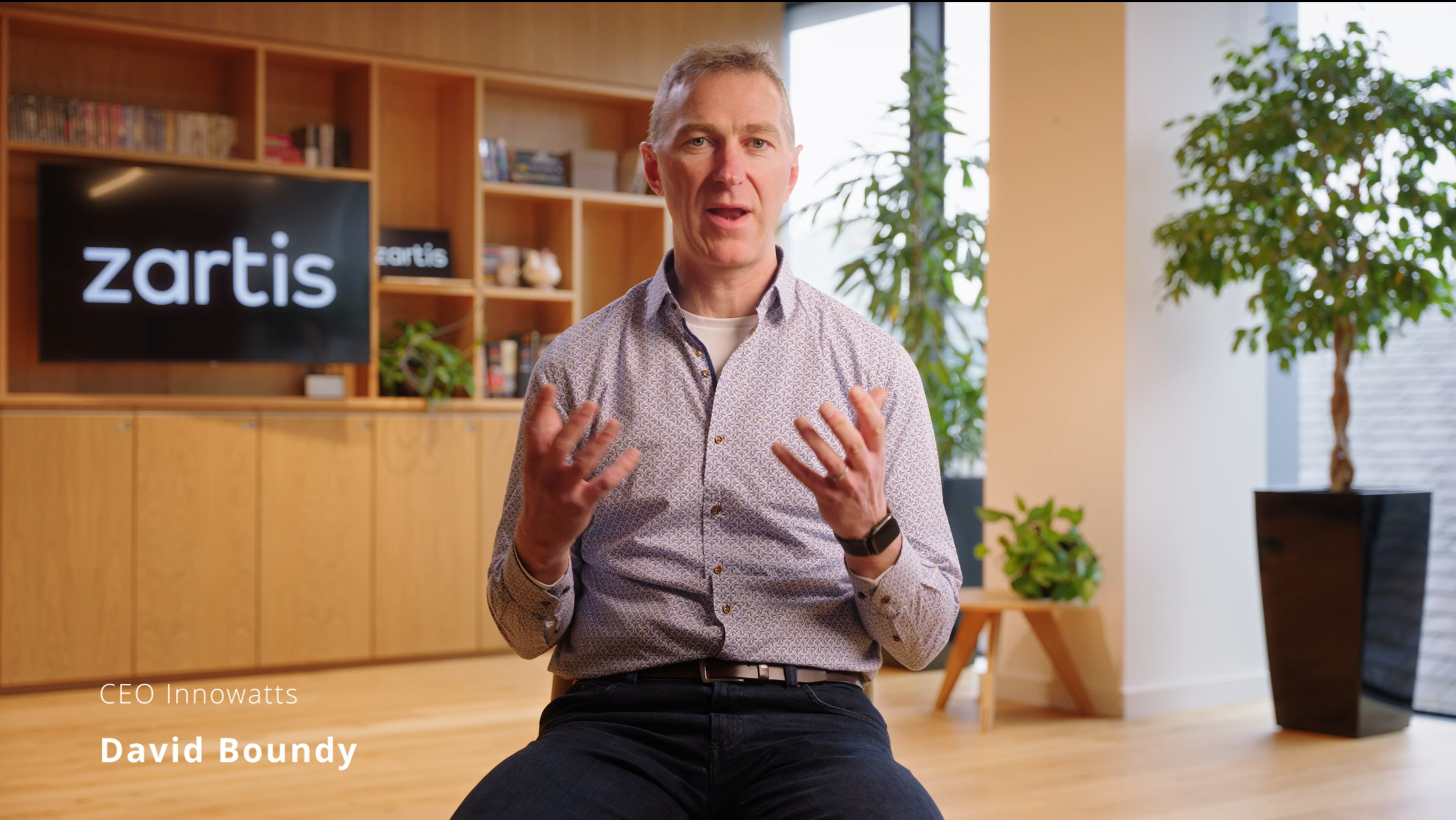
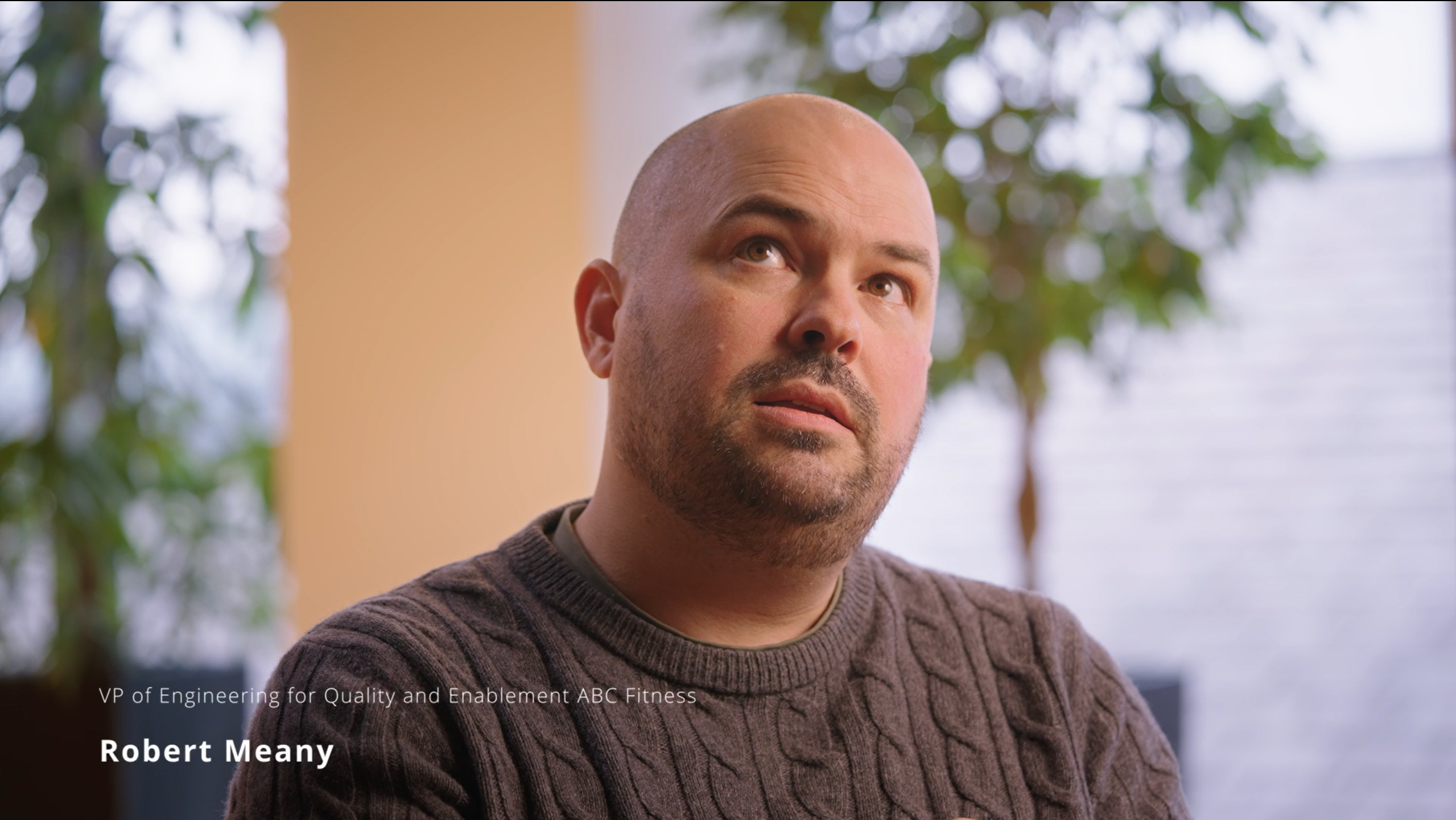
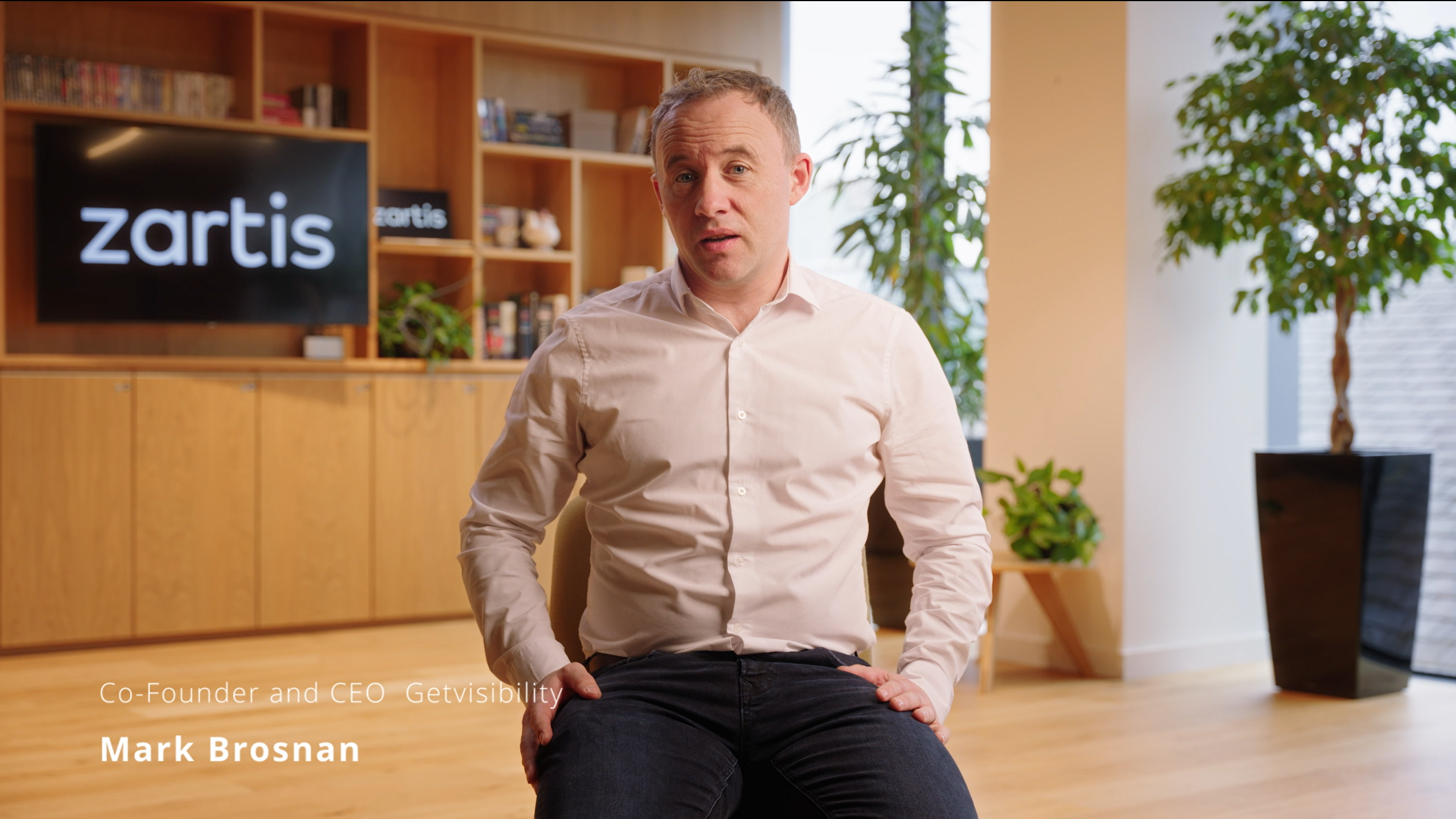
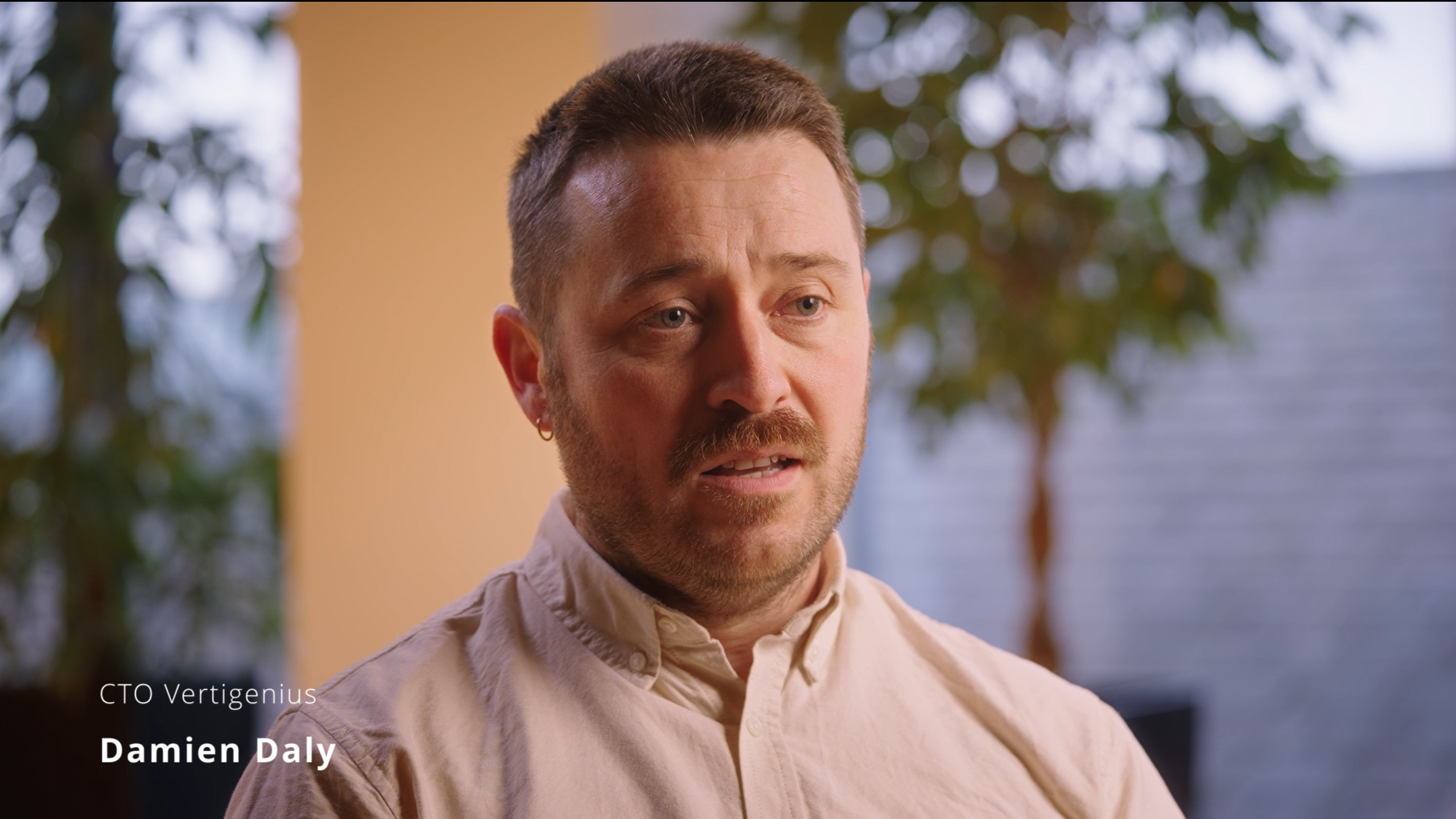
zartis software services client testimonial

What our clients think

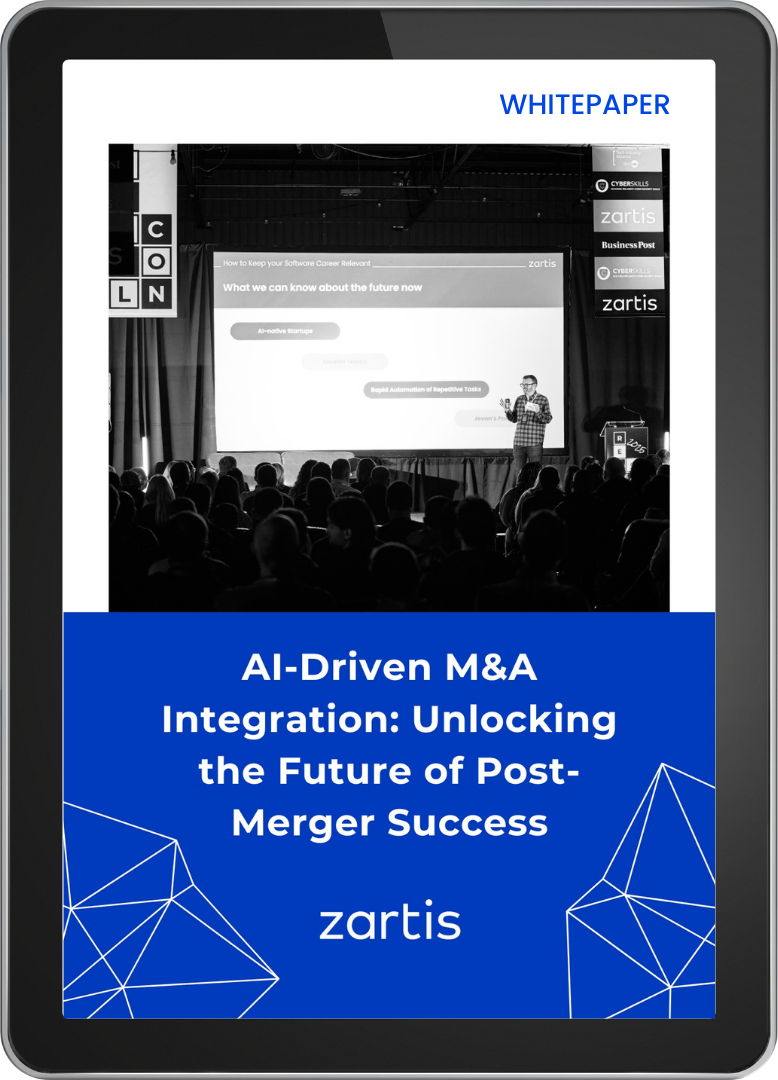
Whitepaper

AI-driven M&A integration: Unlocking the future of post-merger success

Explore the best practices for successful post-merger integration drawing from discussions with tech leaders, and our insights on providing tech solutions in this sector.

Mergers and acquisitions insights

FAQs: Post-merger integration

When should we begin planning Post-Merger Integration?

Ideally, PMI planning should start before the deal closes. Early preparation helps prevent misalignment, accelerates Day-1 readiness, and reduces the cost of rushed decisions later. Pre-close planning allows both organisations to identify integration risks, understand technical constraints, and set realistic expectations for the speed and depth of convergence.

That said, many organisations only begin integration planning post-close. In these cases, we stabilise both environments quickly, establish governance, and introduce structure so the integration can progress without disruption or confusion. The earlier we engage, the smoother the integration and the faster you realise deal value.

We focus first on the systems and processes that carry the highest operational risk or customer impact. Typically, this includes identity and access management, shared customer-facing services, core platforms, billing, security controls, cloud environments, CI/CD pipelines, and data flows.

These areas create the most friction if left unaligned, so establishing consistency early helps stabilise both organisations. Once critical systems are secure and unified, we move on to deeper consolidation across architecture, tooling, analytics, product portfolios, and engineering practices.

Timelines vary depending on the complexity, scale, and technical diversity of the organisations involved. Smaller, well-aligned companies may integrate key functions within 6–8 weeks, while complex enterprise integrations can span several months or be phased across multiple quarters.

Our approach ensures that every phase — strategy, assessment, analysis, roadmap, and execution planning — is clearly structured and time-bounded. The roadmap we deliver outlines exact timelines, dependencies, and priorities so leadership can see what will happen when, and why.

Yes. While our PMI engagement produces a complete integration strategy and roadmap, we can also provide hands-on support for execution. This includes architects, engineers, DevOps specialists, data experts, product consultants, and security teams who can lead or supplement your internal teams.

Many clients extend our engagement to ensure the roadmap is delivered accurately, efficiently, and in a way that aligns with the combined organisation’s culture and technical vision.

The most common risks include duplicated or incompatible systems, unaligned architectures, mismatched engineering cultures, inconsistent security postures, neglected technical debt, weak governance, and a lack of clear ownership. These issues can slow down operations, cause outages, or drive costs far beyond expectations.

Our structured PMI process is designed specifically to identify and mitigate these risks early. By addressing architectural alignment, cloud consolidation, security governance, data integration, and engineering practices from the outset, we help you avoid costly surprises and maintain momentum.

Make your merger deliver its full value

Let’s build a unified, scalable,
secure organisation together.

post-merger integration with ai
;